Getting to know your skin…
Getting to know your skin…
Let's be real: skincare can feel overwhelming. There are a thousand products, a million opinions, and every influencer has a "must-have" routine. But if you're dealing with an actual skin problem, eczema, surprising rashes, unexplained redness, none of that influencer stuff helps.
On this page We’ll explore:
How to handle common skin conditions
The basic routine everyone needs.
Myth Busting Misconceptions
When to see A DOCTOR

Common Skin Problems in College….
(You're Not Alone)
-
It all begins with an idea. Maybe you want to launch a business. Maybe you want to turn a hobby into something more. Or maybe you have a creative project to share with the world.
Dry, itchy, red patches that can show up anywhere—hands, arms, inside elbows, behind knees. Stress makes it worse. Cold weather makes it worse. Even the wrong soap can trigger a flare.
What helps: Moisturize immediately after showering while skin is still damp. Stick to fragrance-free products. Avoid long, hot showers no matter how good they feel.
-
That mysterious rash that appears after trying a new lotion, laundry detergent, or even touching your phone case. Your skin basically saying "nope" to whatever you put on it.
What helps: Stop using the suspected product. Stick to gentle, basic skincare. If it doesn't clear up in a week, see the campus health center.
-
Red, bumpy, scaly, or blotchy. Rashes can come from allergies, infections, heat, stress, or sometimes no clear reason at all.
What helps: Don't scratch. Keep the area clean and moisturized. If it spreads, hurts, or you have a fever, see a doctor.
-
Whiteheads, blackheads, cysts. Hormones, stress, dirty pillowcases, and dining hall pizza all play a role.
What helps: Stick to the basics: gentle cleanser, lightweight moisturizer, non-comedogenic products. Don't pop pimples. Seriously. It makes things worse.
-
Persistent redness, visible blood vessels, sometimes small bumps that look like acne but aren't. Triggers include sun, stress, spicy foods, and alcohol.
What helps: Sunscreen every day. Gentle, fragrance-free products. Avoid your triggers if you can figure out what they are.
-
Athlete's foot, ringworm (which has nothing to do with worms), yeast infections on skin. Red, scaly, sometimes itchy patches that can spread.
What helps: Over-the-counter anti-fungal creams usually work. Keep the area clean and dry. Don't share towels or razors.
-
Itchy, raised welts that appear suddenly. Common triggers: stress, allergies, medications, or sometimes no clear reason at all.
What helps: Antihistamines. Cool compresses. If you're having trouble breathing, that's a medical emergency, get help immediately!
Now, Let's Talk Routine
Even with skin conditions, a good basic routine helps.
-
Most people fall into one of these categories:
Oily: Your skin looks shiny, especially in the T-zone (forehead, nose, chin)
Dry: Your skin feels tight, flaky, or rough
Combination: Oily in some areas, dry in others
Sensitive: Your skin reacts easily to new products or weather
Not sure? Wash your face with a gentle cleanser, wait 30 minutes, and notice how your skin feels. That's your baseline.
-
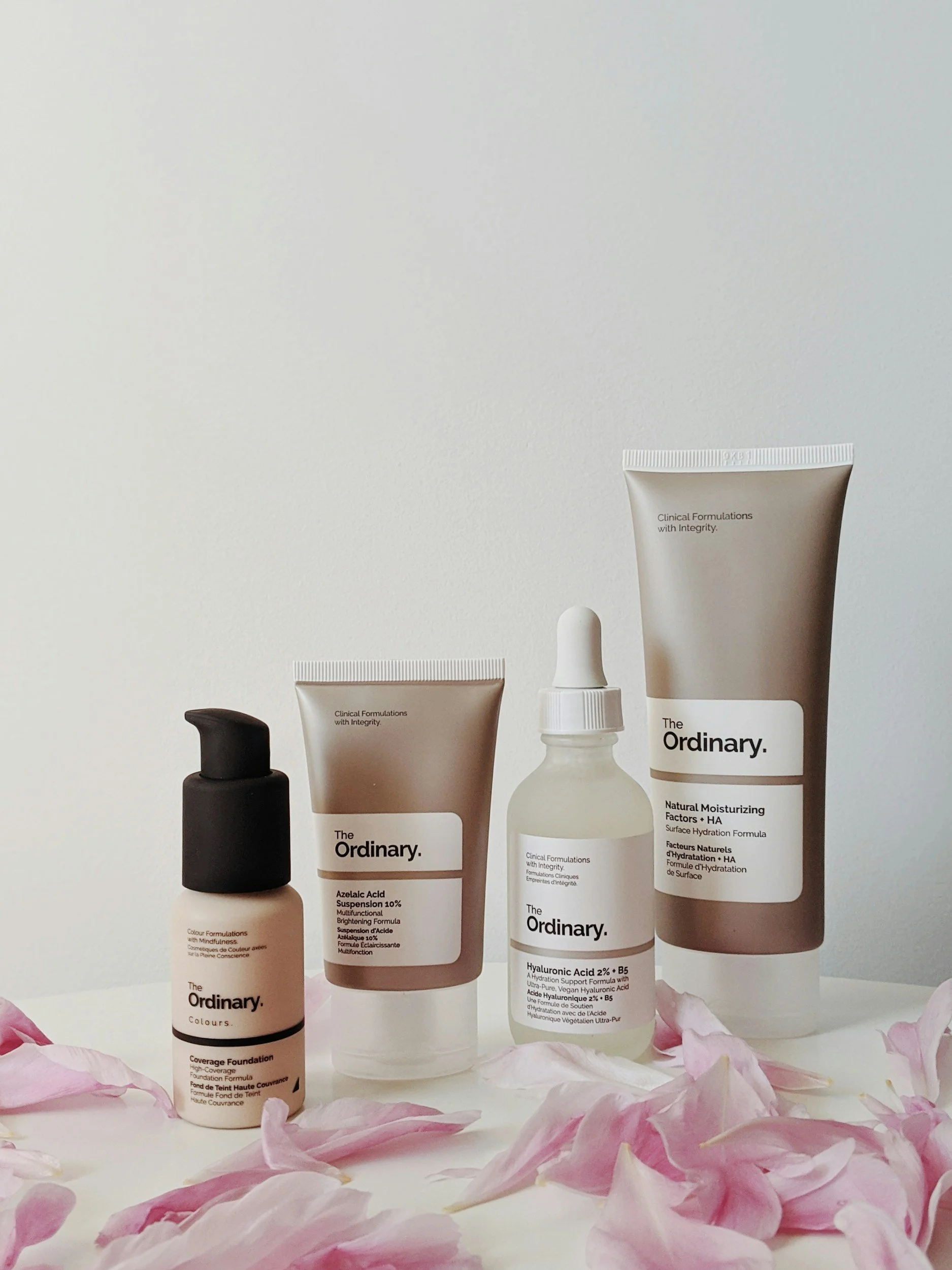
You don't need a 12-step routine. You need three things:
Cleanser: Wash your face morning and night. That's it.
Moisturizer: Even oily skin needs hydration. Look for "non-comedogenic" (won't clog pores).
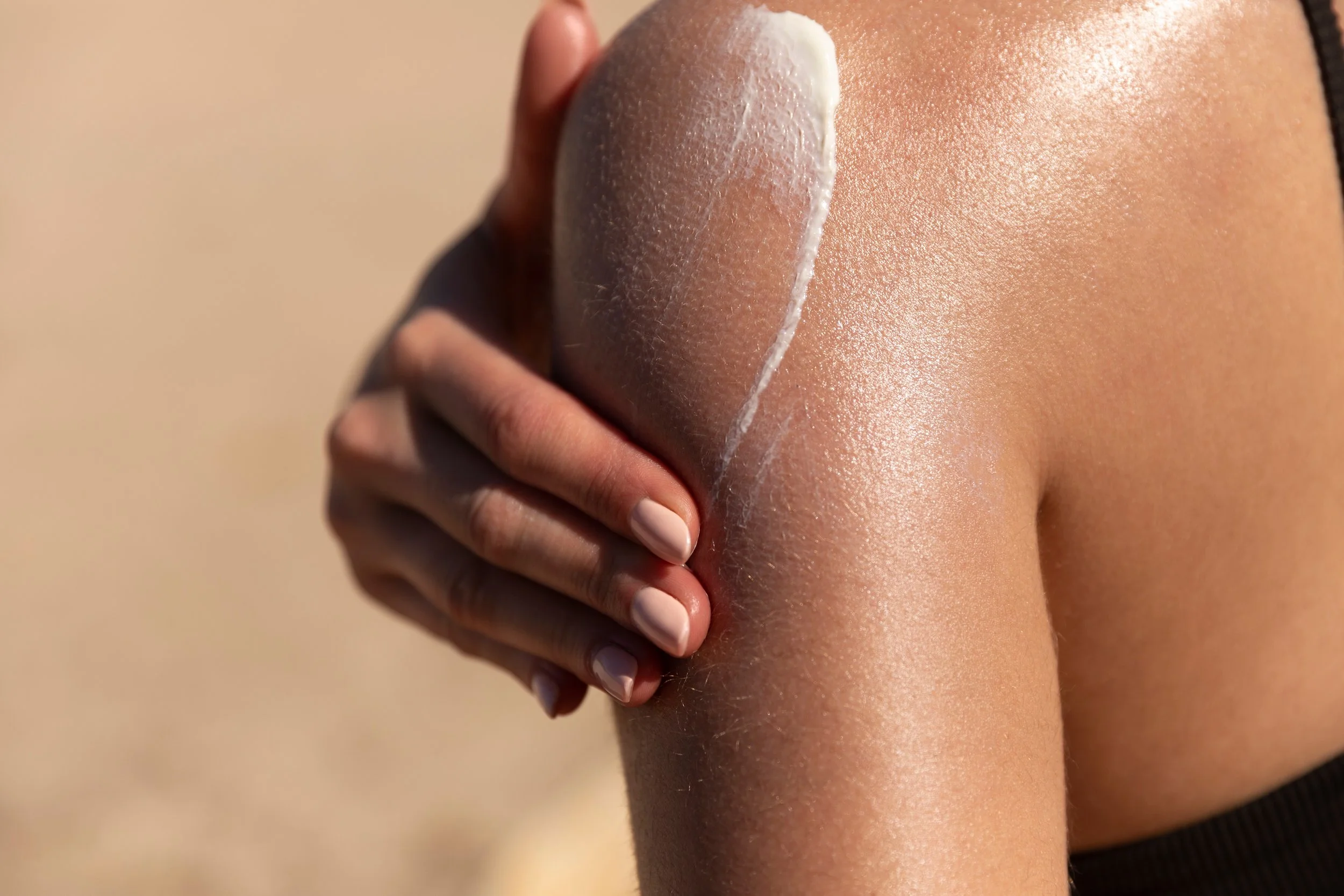
Sunscreen: Every single day. Even when it's cloudy. Even if you're inside all day.
-
Once you've got the basics down, you can add extras:
Salicylic acid for breakouts
Hyaluronic acid for hydration
Niacinamide for redness or oil control
But start simple. Give your skin time to adjust before adding anything new.
Let's Bust Some Myths
〰️
Let's Bust Some Myths 〰️
Myth: "You need to exfoliate every day"
Reality: Over-exfoliating damages your skin barrier. Once or twice a week is plenty.
Myth: "You need to exfoliate every day"
Reality: UV rays penetrate windows. If you're near natural light, wear sunscreen.
Myth: "Natural products are always better"
Reality: "Natural" doesn't mean safer or more effective. Some natural ingredients can actually irritate your skin.
Myth: "If it burns, it's working"
Reality: Burning most likely means stop. Your skin shouldn't hurt!!
Myth: "If it burns, it's working"
Reality: Drugstore brands work just as well. Look for ingredients, not price tags.
When to See a Doctor
You don't need a dermatologist for every little thing. But go get help if:
A rash spreads quickly or covers large areas of your body
You have open sores or signs of infection (swelling, warmth, oozing, red streaks)
It's painful or interfering with your sleep
Over-the-counter treatments aren't helping after a couple weeks
You have a fever along with a rash
You notice changes in moles or spots (color, shape, size)
The campus health center can handle most of this. You don't need a specialist for everything.

Your skin won't change overnight. Give a new routine or treatment at least 4-6 weeks before deciding if it's working.
Consistency matters more than intensity.
And if you're dealing with a skin problem that won't go away? You're not alone. That's why I made this site!
One More Thing