
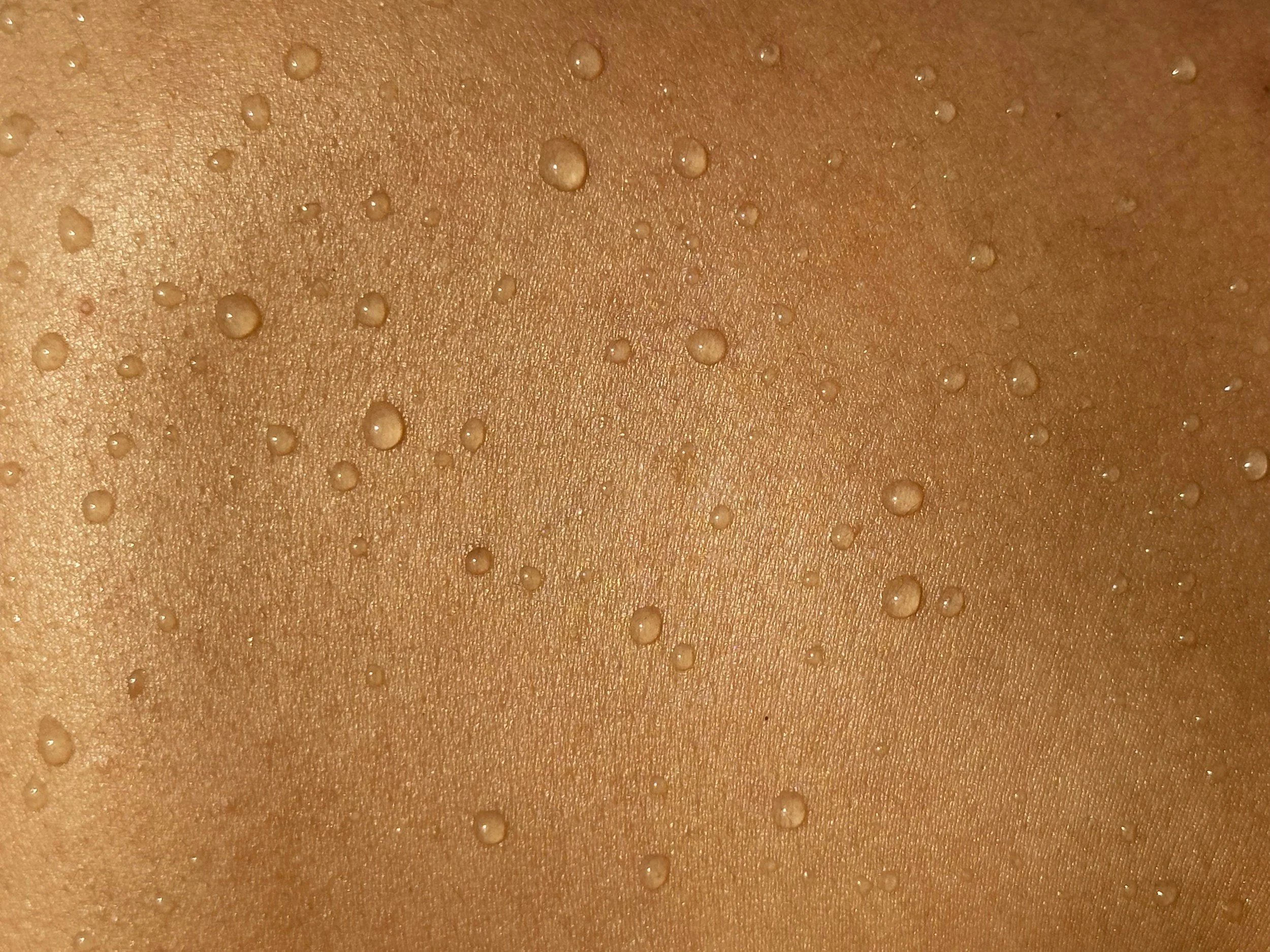
What's Really Going On With Your Skin…
🤔🧪
What's Really Going On With Your Skin… 🤔🧪
You've heard the advice. Now let's talk about why it actually works.
Stress & Skin
~
Stress & Skin ~
Ever notice how your face breaks out right before a big exam? That's not a coincidence.
When you're stressed, your body releases cortisol, a hormone that triggers inflammation and tells your skin to produce more oil. More oil + inflammation = more breakouts.
But stress doesn't just cause acne. It can also trigger:
Eczema flares: That itchy, red patch that won't go away
Psoriasis: Thick, scaly patches that can show up anywhere
Hives: Stress can cause random, itchy welts to appear
Rosacea: That persistent redness or flushing that won't calm down
A 2023 study found that college students with high anxiety throughout the semester were more likely to have an impaired skin barrier and more dark circles under their eyes. Translation: stress shows up on your face!
What helps? Sleep (easier said than done, we know), moving your body, and honestly? Just knowing that it's normal helps too.

Diet & Skin
~
Diet & Skin ~
You don't need perfection. You don't need to give up your favorite foods.
Research shows that high-sugar, processed foods can spike your insulin, which may trigger more oil production and acne. On the flip side, foods like avocados, berries, and leafy greens provide vitamins (C and E) that help protect your skin from oxidative stress—the damage caused by things like pollution, UV rays, and yes, stress.
But here's something a lot of people don't realize: food can also trigger eczema and other skin flare-ups.
For some people, certain foods make their skin worse. Dairy, gluten, eggs, nuts, soy, or even artificial additives can trigger eczema, hives, or mysterious rashes. The tricky part? It's different for everyone. What causes a flare-up for me might be totally fine for you.
This is where a food diary comes in.
I keep one myself. Whenever I notice a rash or my eczema flaring up, I write down everything I ate in the past 24 hours. Over time, patterns start to appear. Maybe every time you have dairy, your skin gets angry two days later. Maybe it's that energy drink you grab before class.
You don't need to cut out everything at once. Just track what you eat and note how your skin reacts. If you notice a pattern, try cutting that one food for a couple weeks and see what happens.
A few things to keep in mind:
Food triggers aren't always immediate. A reaction can show up hours or even days later.
Stress and lack of sleep can also cause flare-ups, so don't blame every rash on food.
If you think you have a serious food allergy (like trouble breathing or swelling), see a doctor immediately.
The bottom line: Small, mindful swaps matter. But don't stress about being perfect. And if you're dealing with recurring rashes or eczema that won't go away, paying attention to what you eat might help you find answers.
A 2025 study found a big gap: 67% knew good skincare, 72% had good attitudes, but only 59% practiced what they learned.
Knowing isn't the same as doing. That's okay. This site is here to help bridge that gap with realistic habits, not perfection.
Examples of Specific Skin Conditions
~
Examples of Specific Skin Conditions ~
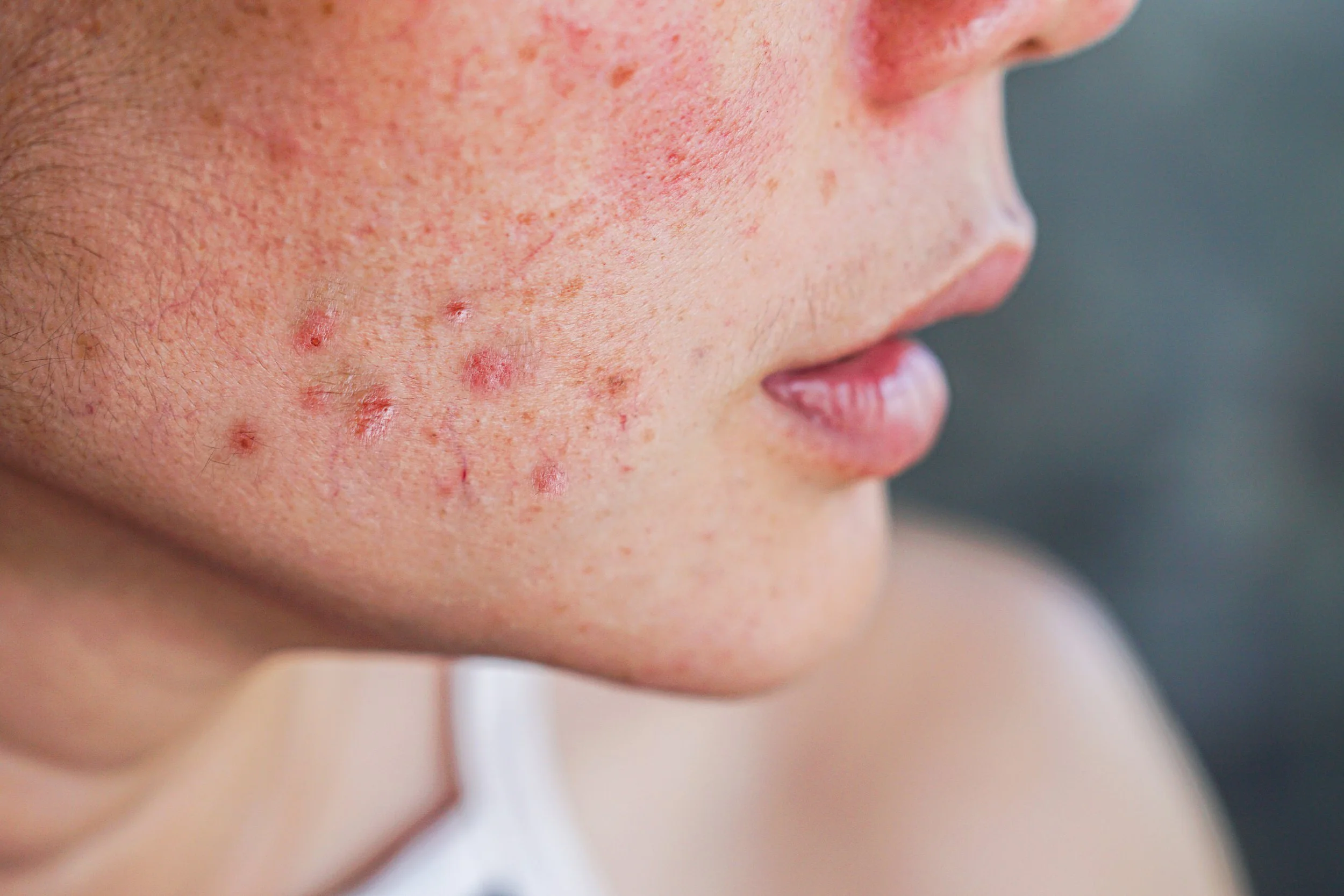
Acne
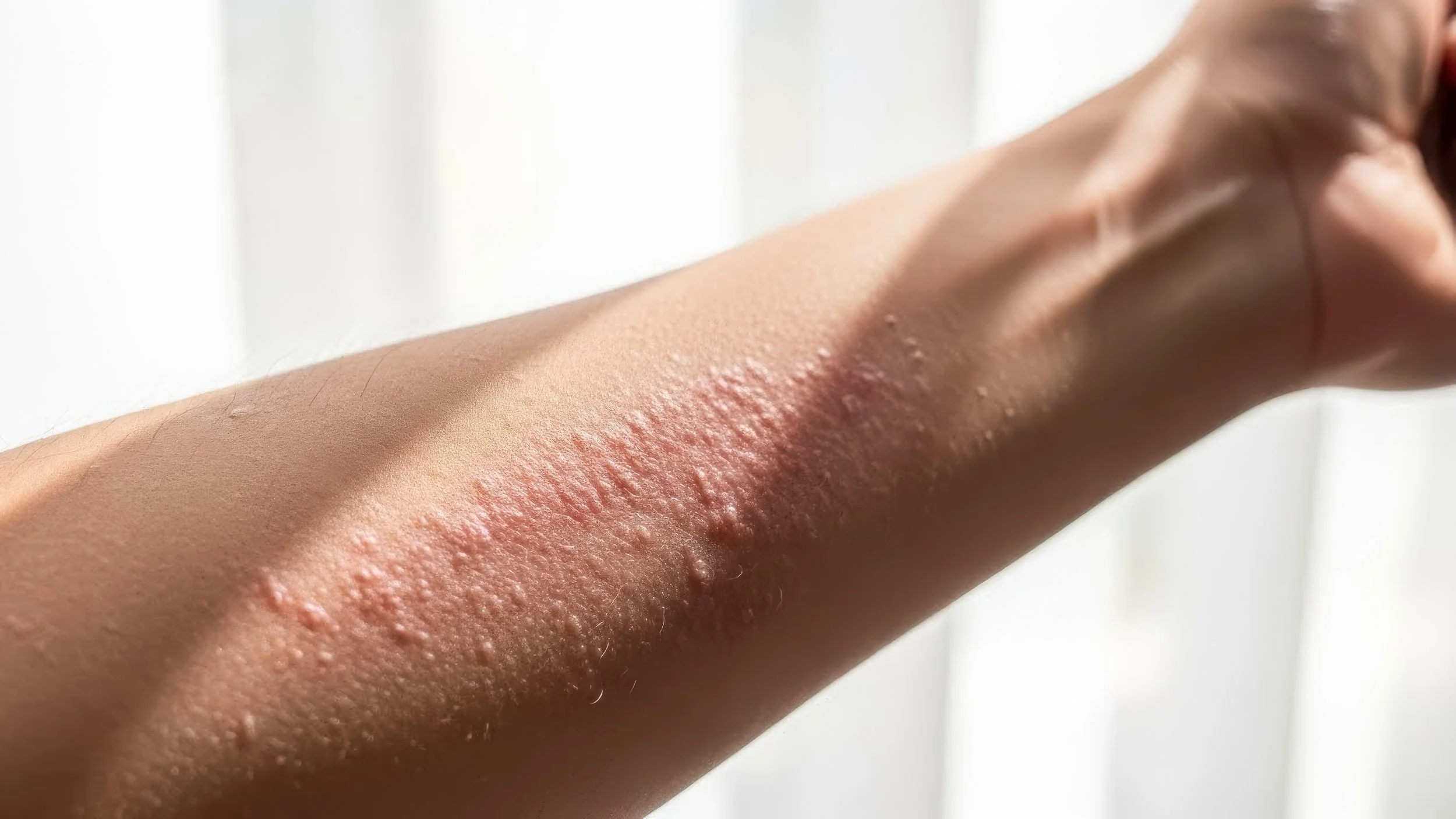
ECZEMA
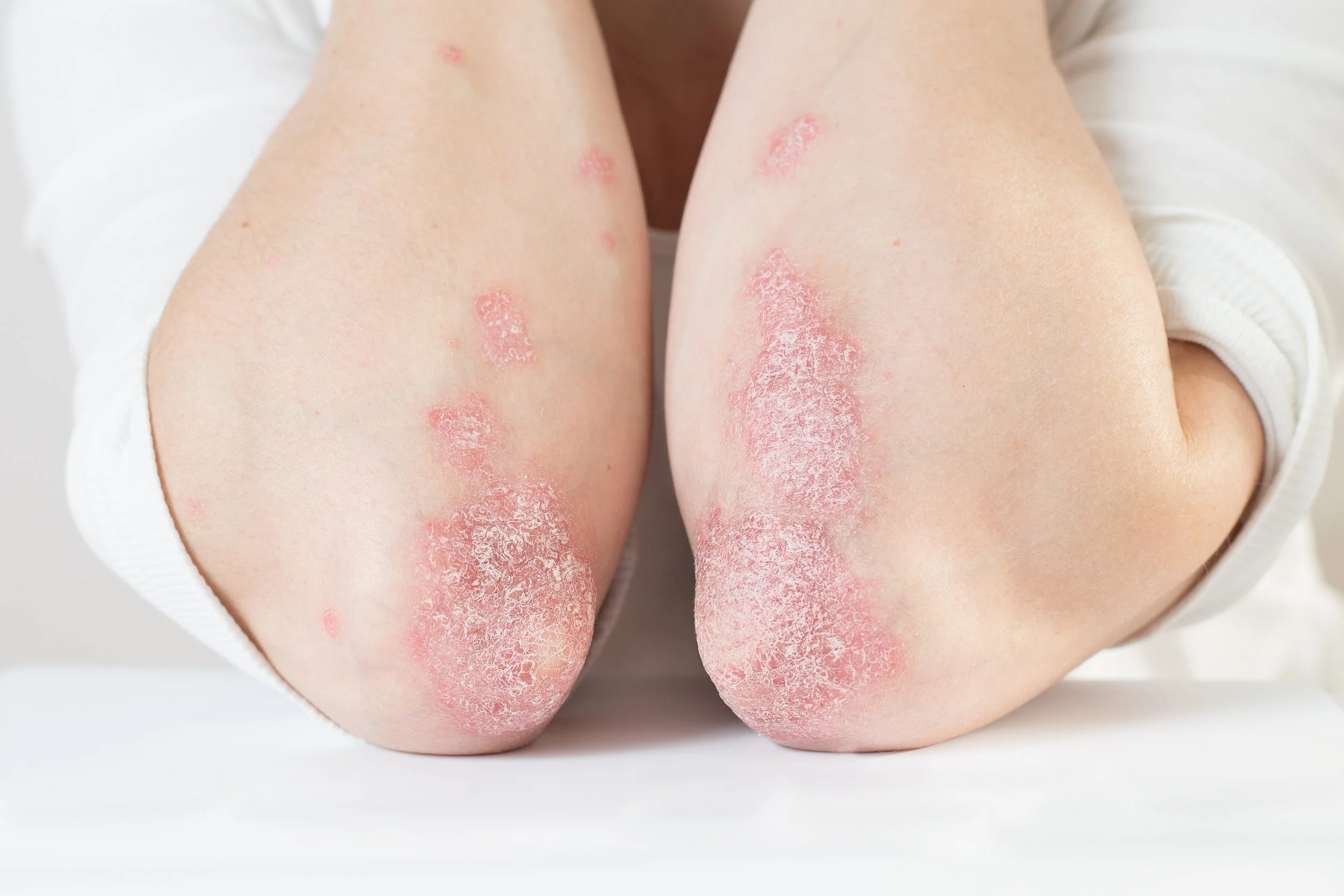
PSoriasis
What the Research Says About College Students
A 2023 study of college students found that 80% self-medicated for health concerns—and 73% used skincare products as self-medication. The top reasons? Quick relief and saving time.
Students relied heavily on family (67%) and social media (55%) for information. Not doctors. Not research.
That's why this site exists. You deserve information you can trust without scrolling through sponsored posts.